Get Trench Installation
Trench installation services help property owners lay or repair underground utilities, drainage systems, or irrigation lines by connecting with local contractors experienced in trenching projects.
Trench installation services are an essential component for many property owners planning landscape improvements, utility upgrades, or drainage solutions. Whether preparing a site for new fencing, irrigation systems, or underground utilities, understanding the options available and choosing experienced local contractors can help ensure the project is completed efficiently and effectively. Exploring your local choices allows for comparison of service providers who understand the specific needs of the area and can deliver tailored solutions.
Property owners often seek trench installation to improve drainage, prevent water damage, or support infrastructure development. By reviewing local service providers, you can find experienced professionals equipped to handle a variety of trenching needs. Continuing to explore your options can help identify the right fit for your project, ensuring that your property is prepared and maintained according to your goals.
- Commercial properties - businesses needing durable trench work for utilities or drainage systems.
- Residential homes - homeowners requiring trench installation for irrigation or foundation work.
- Industrial facilities - factories and warehouses that need trenches for large-scale infrastructure projects.
- Public infrastructure - municipalities seeking trench solutions for roads, bridges, or public utilities.
- Landscaping projects - landscapers and property owners installing drainage or irrigation trenches.
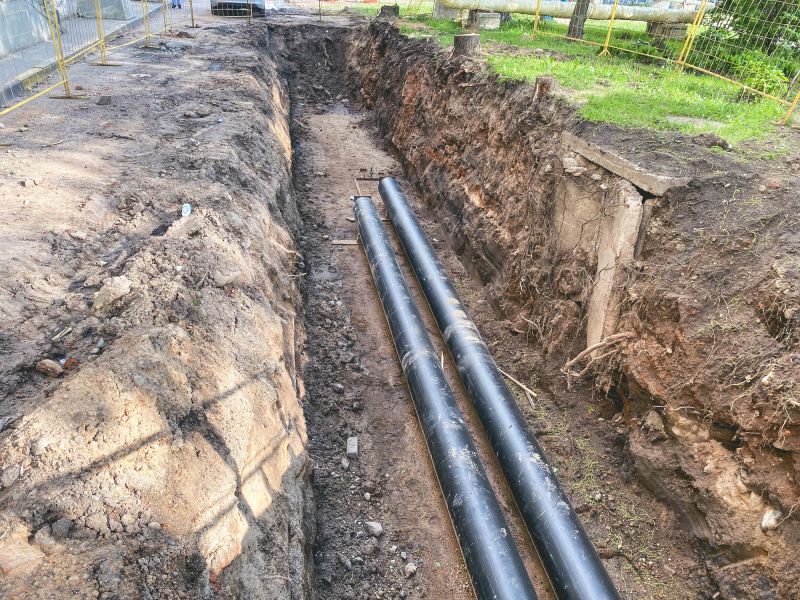
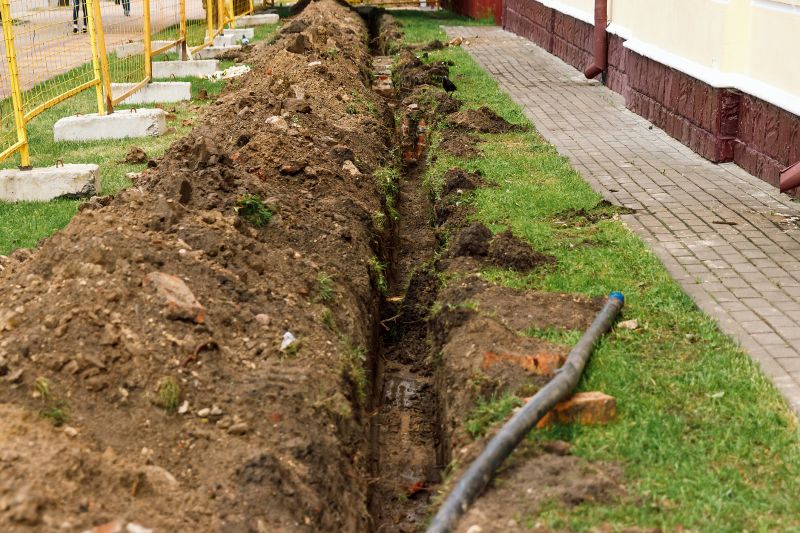
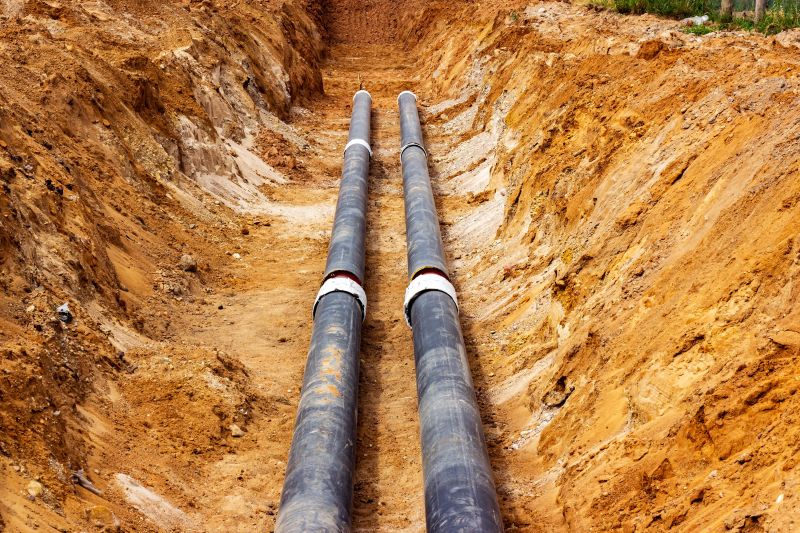
Trench installation services involve digging and preparing a designated area to install various underground utilities, such as irrigation lines, drainage systems, or electrical wiring. These services typically include excavation, trench shaping, and backfilling to ensure the underground components are properly positioned and protected. Skilled contractors use specialized equipment and techniques to create precise trenches that meet the specific requirements of each project, helping to ensure durability and safety of the installed systems.
This service is essential for resolving common property problems like poor drainage, water pooling, or inefficient irrigation. Proper trench installation can prevent water damage to foundations, reduce soil erosion, and improve the overall functionality of outdoor systems. By creating a reliable pathway for utilities and drainage, trench services help homeowners avoid costly repairs and ongoing maintenance issues caused by improper installation or inadequate underground infrastructure.
Properties that often require trench installation include residential homes, commercial buildings, and agricultural land. Homeowners might need trenches for installing new sprinkler systems, drainage solutions, or electrical lines to outdoor lighting or appliances. Commercial properties may require trenches for utility upgrades or infrastructure improvements, while farms and large outdoor spaces often need trenching for irrigation or drainage systems to manage water flow effectively.
When considering trench installation, it’s important to work with local contractors who understand the specific requirements of your property type and local regulations. These professionals can assess the site, recommend the best trenching methods, and ensure the work is completed efficiently and accurately. Contacting experienced service providers can help ensure the underground systems are installed correctly, supporting the long-term functionality and safety of your property.
The overview below groups typical Trench Installation projects into broad ranges so you can see how smaller, mid-sized, and larger jobs often compare in your area.
In many markets, a large share of routine jobs stays in the lower and middle ranges, while only a smaller percentage of projects moves into the highest bands when the work is more complex or site conditions are harder than average.
Smaller Repairs - Typical costs for minor trench repairs or patching range from $250-$600, depending on the size and complexity of the job. Many routine repairs fall within this middle range, making them the most common projects for local contractors.
Standard Installation - Installing a new trench system for drainage or utility lines usually costs between $1,000 and $3,000. Larger or more intricate installations can reach $4,000 or more, though these are less common.
Full Trench Replacement - Replacing an entire trench system can vary widely, generally falling between $3,500 and $8,000. Extensive projects or those involving difficult access can push costs higher, but most projects stay within this range.
Complex or Large-Scale Projects - Large, complex trench installations or replacements, especially those involving significant excavation or multiple phases, can exceed $10,000. Such projects are less frequent but handled by experienced local service providers for specialized needs.
Actual totals will depend on details like access to the work area, the scope of the project, and the materials selected, so use these as general starting points rather than exact figures.
Underground Utility Installation - local contractors experienced in trenching can handle the installation of pipes, cables, and conduits beneath the ground efficiently and safely.
Drainage System Construction - trench installation skills are essential for laying drainage pipes and ensuring proper water flow around properties.
Foundation Excavation - experts in trenching are often involved in excavating for building foundations, requiring precise planning and soil management.
Irrigation System Setup - installing underground irrigation lines involves trenching similar to that used in trench installation services.
Electrical Conduit Installation - trenching is a key step in laying electrical conduits for outdoor wiring and underground electrical systems.
Fiber Optic Cable Deployment - local service providers with trenching expertise can assist in laying fiber optic cables for high-speed internet infrastructure.
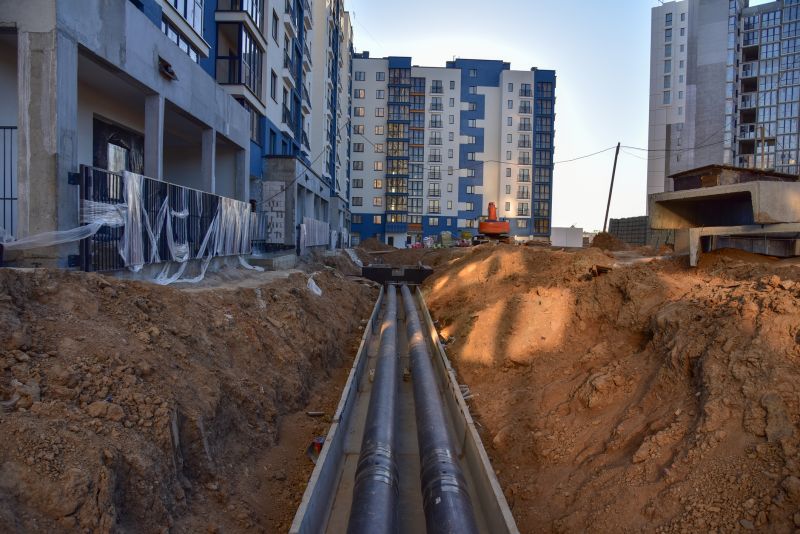
When evaluating potential contractors for trench installation, it is important to consider their experience with similar projects. Homeowners should inquire about how many trenching jobs they have completed that resemble the scope and complexity of the current project. An experienced service provider will have a clear understanding of the challenges involved and be able to offer insights into best practices. This background can help ensure that the selected local contractors are well-equipped to handle the specific requirements of the job, leading to a smoother process and a more satisfactory outcome.
Clear, written expectations are essential when comparing local pros for trench installation services. Homeowners should seek detailed proposals that outline the scope of work, materials to be used, and any relevant project milestones. Having these details documented helps prevent misunderstandings and provides a reference point throughout the project. It is also advisable to ask for a written description of what the service provider will deliver, ensuring that both parties are aligned on the work to be performed and the standards expected.
Reputable references and effective communication are key factors in choosing the right local contractor. Homeowners should ask for references from previous clients who had similar trenching projects, and follow up to learn about their experiences. Good communication throughout the process-such as prompt responses to questions and clarity about project details-can significantly influence overall satisfaction. While the site introduces homeowners to local options, it is important to remember that the actual work will be handled by trusted local service providers who can demonstrate expertise, reliability, and professionalism in their field.
Property owners use Trench Installation services for practical projects around their homes and businesses. This guide focuses on everyday jobs and straightforward project options.
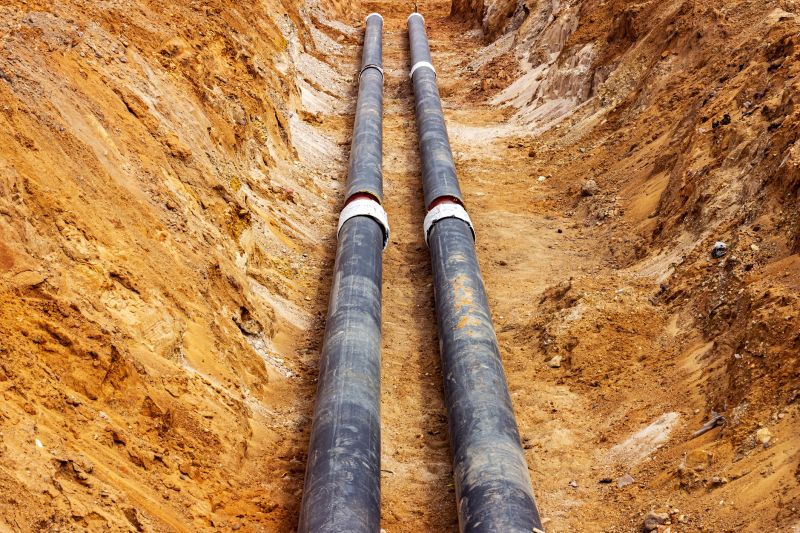
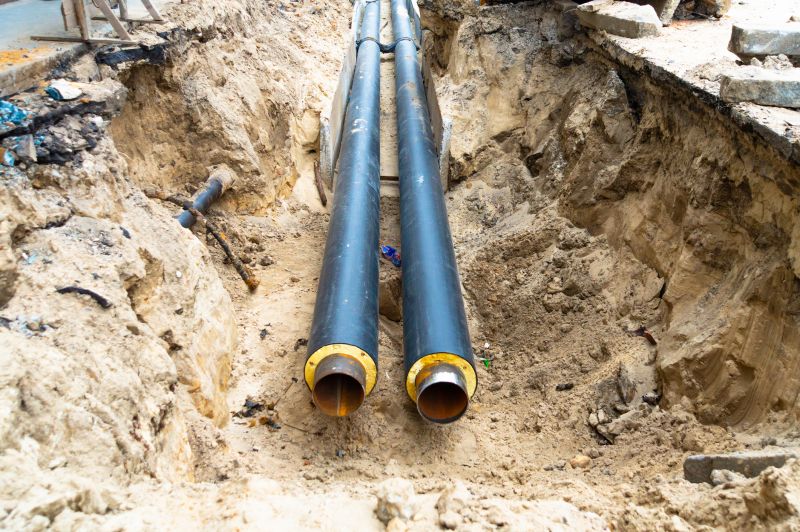
Trench installation services are often needed for a variety of common property projects, such as installing new irrigation lines, underground electrical wiring, or drainage systems. Property owners may seek local contractors to help with these tasks when upgrading landscaping, preparing for new outdoor features, or addressing existing issues like poor drainage or water pooling. These projects typically require careful excavation and precise placement of underground utilities, making experienced trench installation a practical solution for maintaining safety and efficiency.
Many property owners in the area look for trench installation services to support home improvements or repair work that involves underground infrastructure. Whether installing new fences, preparing for foundation work, or upgrading existing systems, local service providers can handle the excavation process reliably. Connecting with experienced contractors helps ensure the work is completed properly, reducing the risk of future problems and supporting ongoing property maintenance or enhancement efforts.
What is trench installation used for? Trench installation is commonly used for laying utilities such as water lines, gas pipes, electrical conduits, or drainage systems in residential and commercial projects.
How do local contractors prepare for trench installation? Contractors typically assess the site, mark the trench path, and ensure proper safety measures are in place before beginning excavation work.
What equipment is involved in trench installation? Equipment like excavators, trenchers, and compactors are often used to dig, shape, and secure trenches effectively.
Are there specific considerations for trench depth and width? Yes, local service providers determine trench dimensions based on the type of utility being installed and safety standards applicable to the project.
What types of soil conditions can affect trench installation? Soil type, moisture level, and stability can influence excavation methods and trench support requirements handled by local contractors.
Drainage Improvement - Installing a trench can help direct excess water away from foundations and prevent flooding during heavy rains.
Foundation Protection - Proper trench installation can create a barrier to help safeguard a basement or crawl space from water intrusion.
Landscape Drainage Solutions - Trench services can be used to install underground drainage systems that improve yard runoff management.
Erosion Control - Trench installation can help stabilize slopes and prevent soil erosion on properties with uneven terrain.
If you are thinking about Trench Installation for a property, this guide is meant to help you understand the work, the typical project types, and how different options might fit your plans.
When you are ready, you can use the quote form on this page to share a few details about your project. From there, local pros can review the basics and respond with options that match what you have in mind.