Driveway Leveling in Atlanta, GA
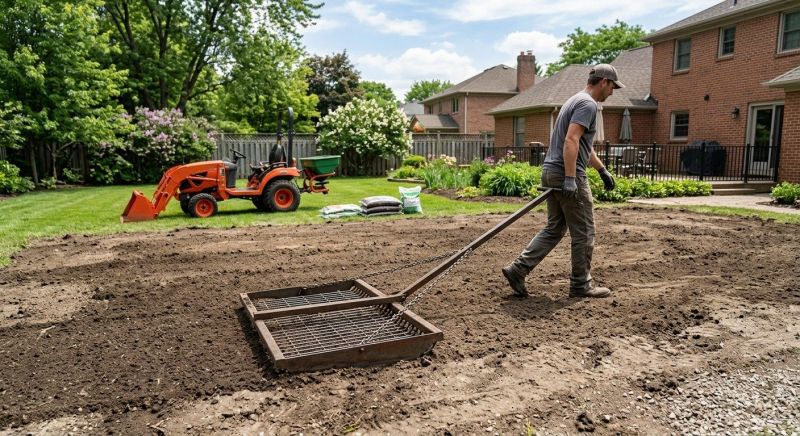
Driveway leveling services focus on correcting uneven or sloped surfaces to create a smooth, stable, and safe driveway. This process typically involves assessing the current condition of the driveway, identifying areas of settling or cracking, and then using specialized techniques to restore proper drainage and evenness. Projects can include residential driveways made of concrete, asphalt, or other materials, as well as larger commercial or parking lot surfaces that require professional attention to improve appearance and functionality.
Property owners considering driveway leveling usually want to understand the causes of unevenness, such as soil movement or poor initial installation, and how the process can address these issues effectively. It’s important to consider the extent of the damage, the type of driveway material, and any underlying problems that may need to be addressed before proceeding. Proper leveling can enhance curb appeal, prevent further damage, and improve safety by reducing trip hazards and pooling water.
Many property owners in Atlanta, GA look into Driveway Leveling for repairs, replacements, upgrades, and appearance-related improvements.
Benefits Of Driveway Leveling
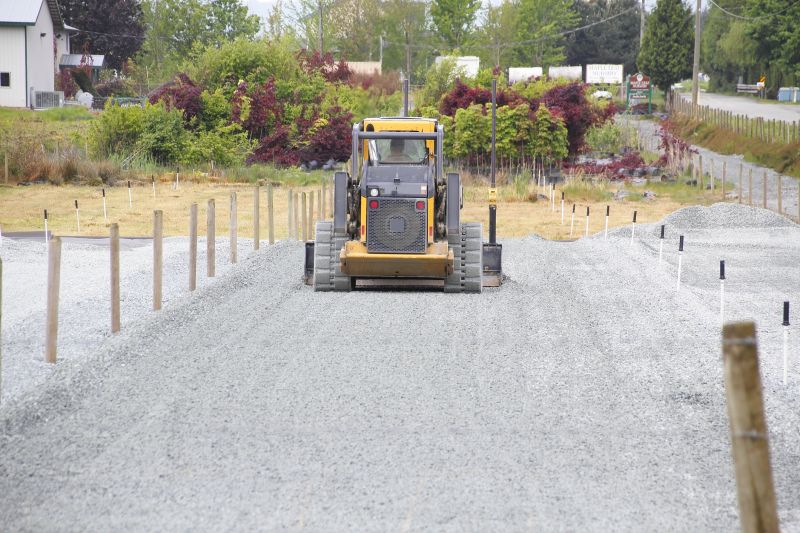
A properly leveled driveway enhances safety and improves curb appeal for properties in atlanta.
Common Driveway Issues
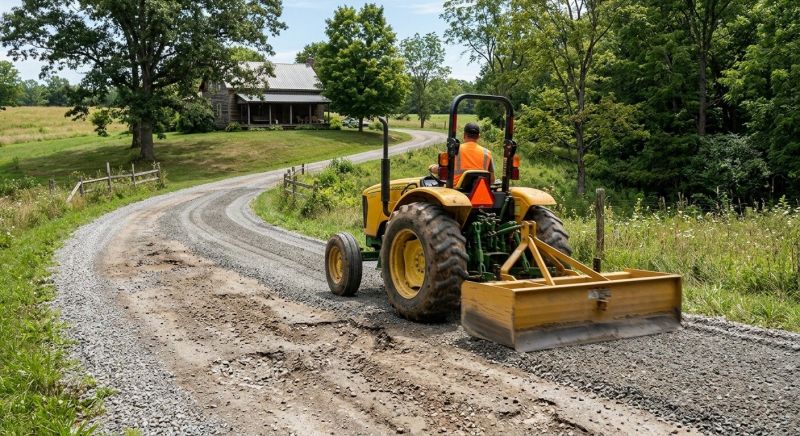
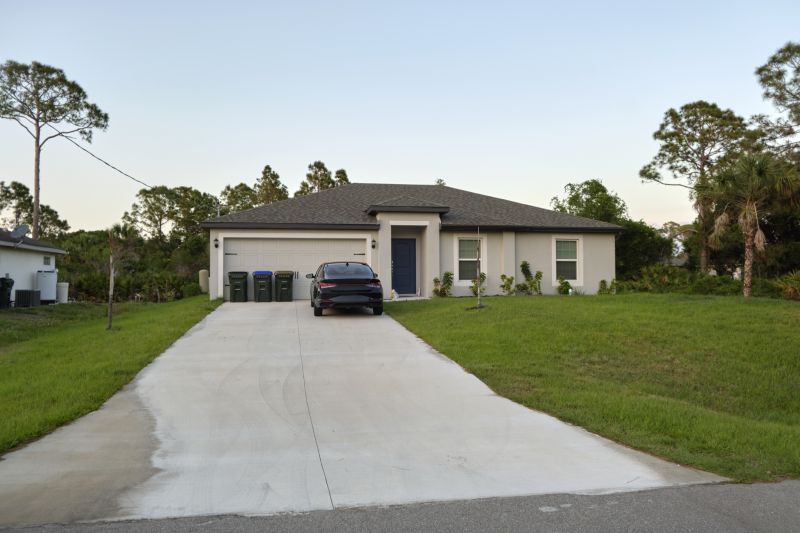
Sunken, cracked, or uneven driveways are frequent concerns for homeowners in atlanta and surrounding areas.
Driveway Leveling Techniques
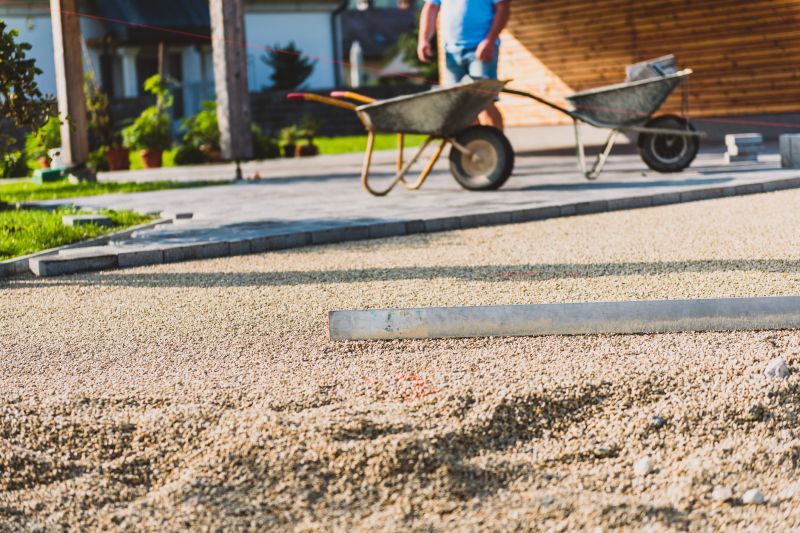
Professional leveling involves soil stabilization and resurfacing to restore a smooth, durable surface.
Driveway Leveling in Atlanta, GA

Driveway leveling services focus on correcting uneven or sloped surfaces to create a smooth, stable, and safe driveway. This process typically involves assessing the current condition of the driveway, identifying areas of settling or cracking, and then using specialized techniques to restore proper drainage and evenness. Projects can include residential driveways made of concrete, asphalt, or other materials, as well as larger commercial or parking lot surfaces that require professional attention to improve appearance and functionality.
Property owners considering driveway leveling usually want to understand the causes of unevenness, such as soil movement or poor initial installation, and how the process can address these issues effectively. It’s important to consider the extent of the damage, the type of driveway material, and any underlying problems that may need to be addressed before proceeding. Proper leveling can enhance curb appeal, prevent further damage, and improve safety by reducing trip hazards and pooling water.
Many property owners in Atlanta, GA look into Driveway Leveling for repairs, replacements, upgrades, and appearance-related improvements.
Common Driveway Leveling Jobs
Driveway Leveling - restores a smooth, even surface for safety and curb appeal.
Asphalt Driveway Repair - addresses uneven spots caused by settling or cracks.
Concrete Driveway Leveling - corrects uneven concrete slabs to prevent tripping hazards.
Mudjacking - lifts sunken areas using a soil-based mixture for a stable surface.
Polyurethane Foam Lifting - raises settled driveways with quick-curing foam for minimal disruption.
Driveway Resurfacing - improves appearance and functionality with a new surface overlay.

Driveway Leveling Questions
What causes driveway unevenness? Driveway surfaces can become uneven due to soil shifting, settling, or erosion over time, leading to dips and cracks.
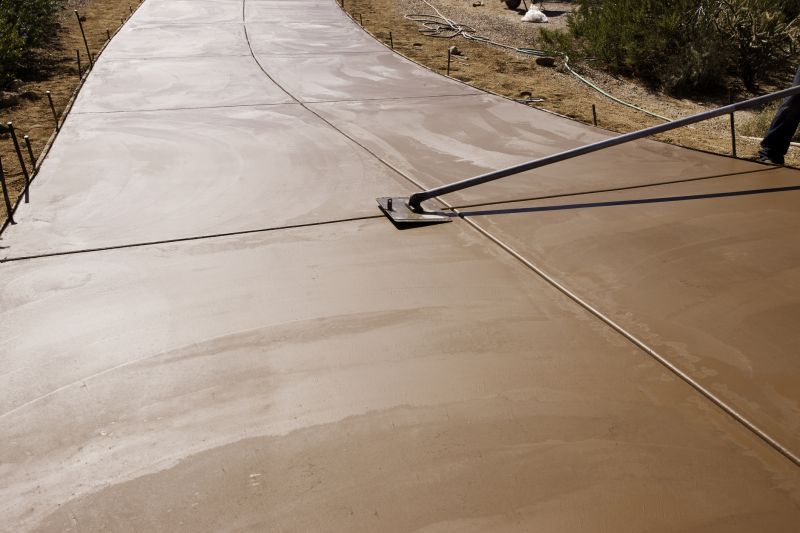
How is driveway leveling performed? The process typically involves removing existing surface materials, grading the underlying soil, and restoring a smooth, even surface.
What types of driveways can be leveled? Most concrete and asphalt driveways can be leveled to improve safety and appearance.
Why should property owners consider driveway leveling? Leveling can enhance curb appeal, prevent further damage, and provide a safer, more functional driveway surface.
Request Driveway Leveling in Atlanta, GA
Use the quote form on this page to share the basics of your project and request more information for the type of work you need.